A business can operate without a strategy, but sustainable growth is much harder without one. If you plan to invest resources in growing your business, you need a clear strategy. Without it, activities become disorganized and spending is difficult to control.
Business strategy
A business strategy is a high-level, long-term plan for achieving a goal.
How can you tell whether your goals are well defined? Use the SMART framework.
| Criterion | What it means |
|---|---|
| Specific | Define each goal clearly and precisely. |
| Measurable | Choose metrics that help you track progress. |
| Achievable | Set goals you can realistically reach; a lack of progress can be discouraging. |
| Relevant and realistic | Consider available resources: time, budget, skills, energy, and support. |
| Time-bound | Give every goal a deadline. |

A digital marketing strategy is an action plan designed to increase sales. It is not a magic wand: it is a set of actions that you need to follow consistently.
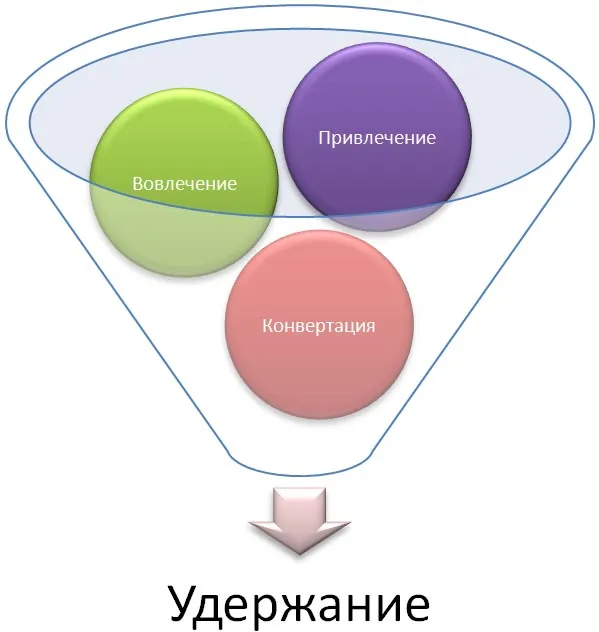
Attracting your target audience
Stage one: attract your audience
Bring your target audience to your website or landing page. Possible channels include Google Ads, SEO, content marketing, social media, and online events. Goals at this stage might include increasing relevant website traffic and improving search visibility.
Engagement and conversion
Stage two: engage your audience
Create interesting, useful content for your target audience. Relevant engagement, interactions, and time spent on important pages can help you measure progress.
Stage three: convert visitors
Turn visitors into customers with clear headlines, compelling benefits, and calls to action such as “Buy” or “Sign up.” Goals may include more orders, registrations, and calls.
Customer retention
Stage four: retain customers
Encourage repeat business with relevant email campaigns, remarketing, and offers for existing customers. Track returning visitors and repeat purchases.
Sales funnels vary depending on the business model and other factors.
Once you have defined your goals, choose the tools that will help you achieve them.
For help promoting your company, brand, products, or services through a coordinated strategy, contact our team.
From our experience: broad reach and remarketing for premium products
In one project, we promoted a retailer selling high-quality products in a premium price segment. Google Ads search campaigns brought visitors to the website but generated few conversions: many users were primarily looking for inexpensive products, while the offer targeted customers willing to pay for quality.
We changed the strategy without abandoning search advertising entirely.
First, we used Performance Max to expand reach. This allowed us to bring in substantially more visitors at a lower cost per user. We also understood that much of this traffic would not match our ideal customer profile.
Next, we launched remarketing campaigns across Google’s advertising network and social media. One audience-selection criterion was browsing depth: we included visitors who had viewed at least four pages on the website.
It was this second interaction with the selected audience that delivered good results. Compared with the original approach, we used the advertising budget more efficiently and increased the number of inquiries.
The key takeaway: broad reach does not necessarily need to generate immediate sales. For some businesses, its role is to build a sufficiently large audience from which more interested users can subsequently be identified.
This approach is not universal. Its effectiveness depends on reach costs, website quality, remarketing audience size, and the economics of the business.
From EMarketing’s experience